The Federal Trade Commission (FTC) is reminding consumers that Medicare fraud isn’t just a problem for seniors—it affects everyone who pays taxes and contributes to the Medicare system.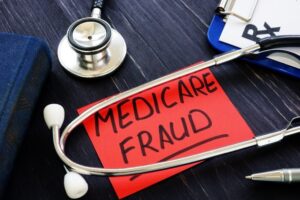 Scammers use a variety of tactics to steal Medicare numbers and personal information, including offering free medical equipment, genetic testing kits, or pain creams in exchange for Medicare details. They may also pose as Medicare representatives calling about new cards, coverage changes, or account verification. The FTC warns that Medicare will never call unexpectedly to ask for your Medicare number or personal information, and legitimate Medicare communications don’t require immediate action or threaten to cancel your benefits.
When fraudsters obtain Medicare information, they bill the program for services or equipment that were never provided, driving up costs for everyone. These scams can also lead to identity theft, with criminals using stolen information to open credit accounts or file fraudulent tax returns. Red flags include unsolicited offers for free medical products, pressure to provide your Medicare number quickly, and requests to pay for services that should be covered by Medicare. The FTC advises treating your Medicare number like a credit card number—guard it carefully and only share it with trusted healthcare providers.
At MVSB, we’re committed to helping our community stay informed about fraud that impacts both personal finances and public resources. If you or a family member suspect Medicare fraud or identity theft, we encourage you to report it immediately to Medicare at 1-800-MEDICARE and to the FTC at ReportFraud.ftc.gov. Our team can also assist with monitoring your accounts for suspicious activity and setting up fraud alerts if your personal information has been compromised. Protecting yourself from Medicare scams helps safeguard not only your own financial security but also the healthcare system that serves our entire community. Contact any MVSB branch if you have questions about protecting your accounts or need guidance on fraud prevention.